
Whether your teenager is joining track, trying cross-country, running for another sport, or simply becoming more active, the right running shoes can make training more comfortable.
Teenagers do not automatically need youth-specific shoes or stability features. The best choice is a shoe that fits their current foot—not one purchased substantially too large for future growth—and matches the surface and type of running they plan to do.
Our top pick is the Brooks Launch 12. It is light, versatile, responsive, and relatively affordable, making it a strong first running shoe for a neutral runner.
Below are ten current options covering neutral training, stability, speedwork, wide toe boxes, zero-drop running, and trails.
Top 3 Best and Favorites
|
Best Overall
|
Best Overall
|
Brooks Launch 12 |
|
CHECK MEN’S PRICE CHECK WOMEN’S PRICE |
|
Top Guidance Shoe
|
Top Guidance Shoe
|
Saucony Guide 19 |
|
CHECK MEN’S PRICE CHECK WOMEN’S PRICE |
|
Best Nike Running Shoe
|
Best Nike Running Shoe
|
Nike Pegasus 42 |
|
CHECK MEN’S PRICE CHECK WOMEN’S PRICE |


Best Overall
1. Brooks Launch 12
The Brooks Launch 12 is our top choice for teenagers because it is light enough for track workouts, cushioned enough for daily training, and less expensive than many premium running shoes.
What We Like
Brooks combines nitrogen-infused DNA FLASH cushioning with more responsive DNA FLASH v2 foam in the forefoot. The result is a quick, flexible ride that works for easy runs, workouts, gym sessions, and shorter races.
The airy mesh upper is soft and breathable, while the secure heel and dynamic forefoot provide useful inherent stability without turning the Launch into a formal support shoe.
A rubber outsole adds traction and durability for teens who may use the same pair for school, practice, and general exercise.
Why We Like It
It offers the best combination of versatility, low weight, reasonable cushioning, and value for a new or developing teenage runner.
What to Consider
Runners who need very soft cushioning or substantial stability support should choose another model.
What’s New
Compared with the Launch 11, the Launch 12 uses a revised cushioning setup with DNA FLASH plus more responsive DNA FLASH v2 foam in the forefoot. It also receives a softer, airier upper and an updated outsole designed for quick turnover.
- Light enough for workouts and faster running
- Responsive nitrogen-infused cushioning
- Breathable mesh upper
- Good value compared with premium trainers
- Not as cushioned as higher-stack daily trainers
Top Guidance Shoe
2. Saucony Guide 19
The Saucony Guide 19 is a highly cushioned guidance shoe for teenagers who feel more comfortable with extra support.
What We Like
Saucony’s CenterPath geometry uses broad sidewalls and platform shaping to guide the foot without relying on a hard medial post.
PWRRUN foam provides a smooth, protective ride for daily training. The broad platform feels stable, while increased forefoot flexibility keeps the shoe from feeling overly rigid.
Regular, wide, and extra-wide versions make the Guide easier to fit for growing feet and different foot shapes.
Why We Like It
It provides noticeable support and cushioning without the harsh feel associated with older stability shoes.
What to Consider
A teen who is comfortable in neutral shoes may find the broad platform and guidance unnecessary.
What’s New
Compared with the Guide 18, the Guide 19 refines the PWRRUN cushioning, increases forefoot flexibility, and adds outsole durability. CenterPath guidance and the broad, stable platform remain central to the shoe.
- CenterPath technology provides smooth guidance
- Protective PWRRUN cushioning
- Broad platform feels stable
- Available in multiple widths
- Heavier and less nimble than neutral daily trainers
Best Nike Running Shoe
3. Nike Pegasus 42
The Nike Pegasus 42 is a versatile choice for teenagers who want a recognizable shoe that works for running, workouts, and everyday wear.
What We Like
A curved, full-length Air Zoom unit works with ReactX foam to create a smooth and responsive ride from heel strike through toe-off.
Nike added extra space through the forefoot and toe box compared with the previous model. The lightweight mesh upper is also softer and more breathable.
A high-abrasion Waffle outsole provides dependable traction and enough durability for regular school and training use.
Why We Like It
It is a reliable all-purpose shoe that balances cushioning, responsiveness, durability, and everyday styling.
What to Consider
The full-length Air Zoom unit creates a springy, slightly mechanical feel that will not appeal to every runner.
What’s New
Compared with the Pegasus 41, the Pegasus 42 replaces separate heel and forefoot Air Zoom units with one curved, full-length unit. It also adds more toe spring, a roomier forefoot, and a revised breathable upper while retaining ReactX foam.
- Responsive full-length Air Zoom cushioning
- Roomier toe box than the Pegasus 41
- Durable Waffle outsole
- Versatile for running and casual wear
- Heavier than some lightweight daily trainers
Top Lightweight Stability Shoe

4. ASICS GT-2000 15
The ASICS GT-2000 15 is a relatively light stability trainer for teenagers who need support but do not want a heavy motion-control shoe.
What We Like
The 3D GUIDANCE SYSTEM uses platform geometry to provide adaptive support rather than forcing the foot against a rigid medial post.
FF BLAST MAX foam feels soft and energetic, while rearfoot PureGEL helps cushion landings. A forefoot trampoline pod improves toe-off.
ASICS offers the shoe in standard, wide, and extra-wide sizes, making it easier to fit teenagers whose feet are still changing.
Why We Like It
It combines dependable stability with a lighter, livelier ride than many traditional support shoes.
What to Consider
Teenagers who do not need stability may find a neutral shoe simpler and more comfortable.
What’s New
Compared with the GT-2000 14, the GT-2000 15 adds 2 mm of softer FF BLAST MAX cushioning while reducing overall weight. It also introduces a new engineered-woven upper and retains PureGEL, the forefoot trampoline pod, and the 3D GUIDANCE SYSTEM.
- Adaptive 3D GUIDANCE SYSTEM
- Soft, responsive FF BLAST MAX cushioning
- Lighter than many stability shoes
- Available in several widths
- Support may be unnecessary for neutral runners
Best Wide Toe Box

5. Topo Athletic Magnifly 6
The Topo Athletic Magnifly 6 is a good choice for teenagers who need extra toe room but still want a secure heel and midfoot.
What We Like
Topo’s anatomical toe box allows the toes to spread naturally without making the entire shoe excessively loose.
The 26 mm ZipFoam platform is soft enough for daily running but maintains useful ground feel. The shoe is zero drop, placing the heel and forefoot at the same height.
An improved outsole provides better traction and durability, while the redesigned upper remains breathable and supportive.
Why We Like It
It provides genuine toe room with a more secure heel and midfoot than many shoes that are wide throughout.
What to Consider
Zero-drop shoes increase demand on the calves and Achilles, so a teen should transition gradually.
What’s New
Compared with the Magnifly 5, the Magnifly 6 increases the stack height to 26 mm, introduces a softer and lighter ZipFoam compound, improves outsole traction and durability, and updates the upper.
- Anatomical toe box
- Secure heel and midfoot
- Updated ZipFoam cushioning
- Improved outsole durability
- Zero-drop geometry requires gradual adaptation
Best Speed Shoe

6. Brooks Hyperion 3
The Brooks Hyperion 3 replaces the discontinued ASICS GEL-DS Trainer in this guide as a lightweight shoe for track workouts, tempo runs, gym sessions, and shorter races.
What We Like
DNA FLASH v2 cushioning feels firm, springy, and quick. It is more protective than a racing flat but less bulky than a traditional daily trainer.
The lightweight mesh upper provides secure midfoot lockdown, and the 8 mm drop makes the shoe easier to transition into than a zero-drop model.
The Hyperion has balanced rather than corrective support, so it works best for teens who do not require a formal stability shoe.
Why We Like It
It is a versatile fast-training shoe that can handle workouts without requiring a carbon plate or race-only construction.
What to Consider
The snug, performance-oriented fit may feel cramped to teenagers with broad feet.
What’s New
Compared with the Hyperion 2, the Hyperion 3 adds 2 mm more DNA FLASH v2 cushioning for extra softness and protection. It also receives a lighter, more breathable upper designed to improve midfoot lockdown.
- Light and responsive
- Suitable for workouts, gym sessions, and races
- DNA FLASH v2 cushioning
- Conventional 8 mm drop
- Snug fit may not suit wide feet
Best Zero Drop

7. Altra Escalante 5
The Altra Escalante 5 is a flexible zero-drop shoe for teenagers who want a natural toe-box shape and strong ground connection.
What We Like
Altra’s Original FootShape fit is roomy through the toes and midfoot. The 24 mm Altra EGO platform provides moderate cushioning while remaining flexible.
InnerFlex grooves and FootPod outsole shaping allow the shoe to bend with the foot, making it useful for road running, speedwork, walking, and gym training.
The engineered-knit upper is comfortable and breathable, but its relaxed shape provides less structure than conventional mesh trainers.
Why We Like It
It combines one of the roomiest toe boxes available with a low, flexible platform.
What to Consider
Zero-drop footwear should be introduced gradually, especially for a teen accustomed to shoes with a raised heel.
What’s New
Compared with the Escalante 4, the Escalante 5 updates the rubber outsole, engineered-knit upper, tongue, and heel collar. It retains the 24 mm Altra EGO midsole, zero-drop geometry, and Original FootShape fit.
- Very roomy FootShape toe box
- Flexible Altra EGO midsole
- Comfortable knit upper
- Useful for running and gym training
- Upper provides less structure than conventional trainers
Top Traction and Trails
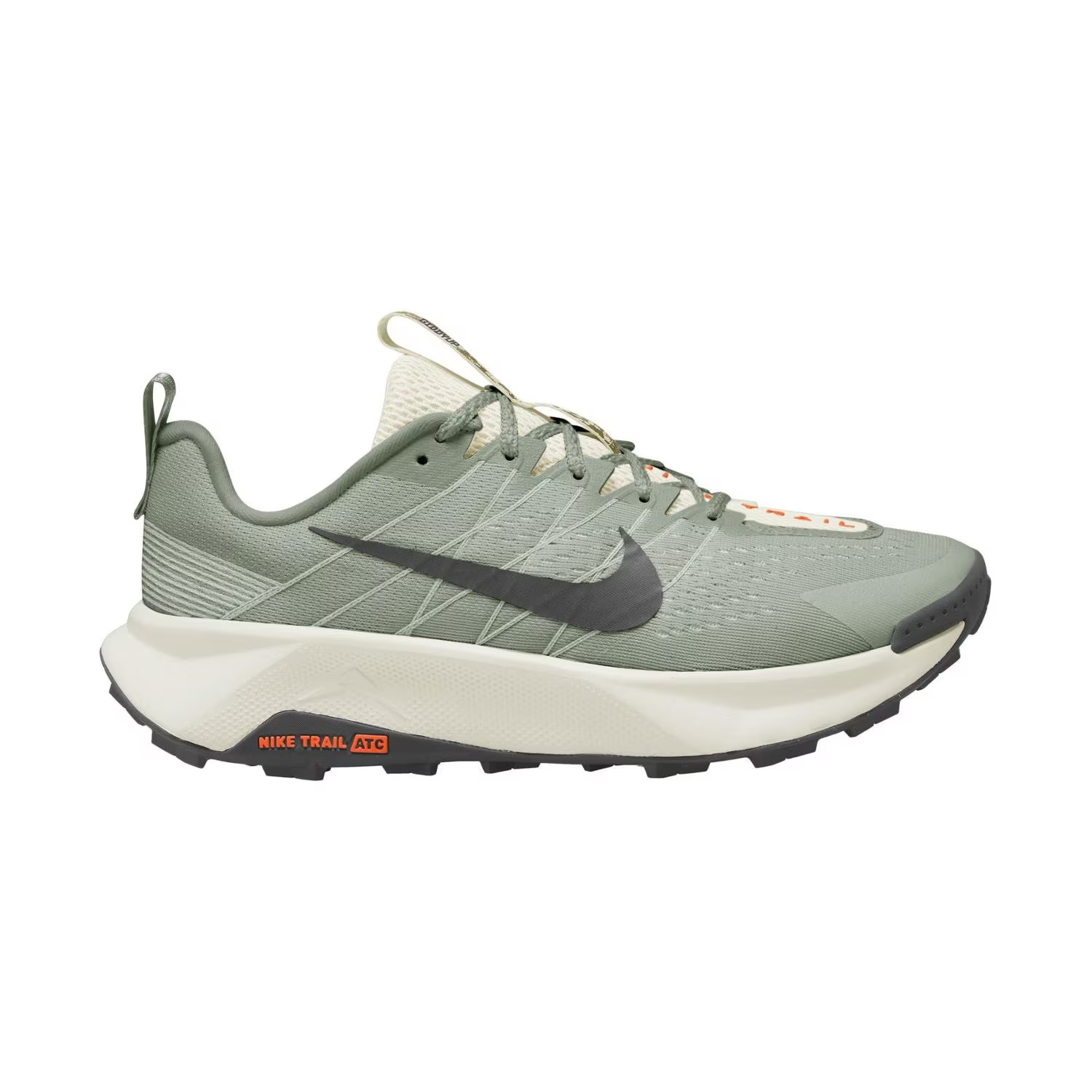
8. Nike Wildhorse 10
The Nike Wildhorse 10 is a protective trail shoe for teenagers running on dirt, rock, hills, and mixed road-to-trail routes.
What We Like
ReactX foam provides a lighter and more responsive ride than the React foam used in the previous model.
Nike Trail All Terrain Compound rubber offers grip on steep climbs and wet surfaces while remaining smooth enough for short road sections.
The engineered-mesh upper uses open areas for ventilation, and reflective details help with visibility in low light.
Why We Like It
It balances cushioning, traction, and protection for teens who want one trail shoe for varied terrain.
What to Consider
The Wildhorse is heavier than a road shoe and may be excessive for smooth paths or track practice.
What’s New
Compared with the Wildhorse 9, the Wildhorse 10 replaces React foam with more responsive ReactX and adopts Nike’s Trail All Terrain Compound outsole. The upper is also revised for lower weight and improved breathability.
- ReactX cushioning
- Trail ATC outsole grips wet and steep terrain
- Breathable engineered-mesh upper
- Useful for varied trail surfaces
- Too heavy and aggressive for routine road running
Most Durable

9. New Balance Fresh Foam X 880v15
The New Balance Fresh Foam X 880v15 replaces the discontinued Beacon as a durable everyday trainer for teenagers who need one shoe for regular mileage.
What We Like
Fresh Foam X cushioning feels soft and protective, while the structured engineered-mesh upper provides a secure fit for running and all-day wear.
The broad outsole and substantial rubber coverage are designed for repeated daily use. New Balance also offers narrow, standard, wide, and extra-wide versions.
A 6 mm drop gives the shoe a modern geometry without moving all the way to zero drop.
Why We Like It
It is a dependable workhorse with extensive width options and enough durability for frequent use.
What to Consider
The men’s version is heavier than many neutral daily trainers.
What’s New
Compared with the 880v14, the 880v15 uses a reworked Fresh Foam X platform and a more structured engineered-mesh upper. New Balance retains the 6 mm drop while emphasizing softer, durable cushioning for everyday and long runs.
- Durable everyday construction
- Soft Fresh Foam X cushioning
- Available in narrow through extra-wide sizes
- Structured, breathable upper
- Heavier than lightweight daily trainers
Best Stability Shoe

10. Brooks Adrenaline GTS 25
The Brooks Adrenaline GTS 25 is the strongest all-around stability choice for teenagers who need structured support and dependable cushioning.
What We Like
Brooks GuideRails help limit excess movement without using a hard medial post. DNA LOFT v3 cushioning feels soft underfoot while remaining controlled.
A structured mesh upper and secure heel provide dependable lockdown. The shoe is available in narrow, standard, wide, and extra-wide sizes.
The 10 mm drop and conventional shape make the Adrenaline easy to transition into from everyday athletic shoes.
Why We Like It
It provides reliable stability, strong width availability, and enough cushioning for daily training and walking.
What to Consider
It is heavier and more structured than most neutral shoes.
What’s New
Compared with the Adrenaline GTS 24, the GTS 25 adds more DNA LOFT v3 cushioning under the heel and forefoot, lowers the drop from 12 mm to 10 mm, and updates the engineered-mesh upper. GuideRails support remains.
- GuideRails provide structured support
- DNA LOFT v3 cushioning
- Available in several widths
- Secure heel and upper
- Heavy and unnecessary for teens who prefer neutral shoes
Buyer’s Guide: Running Shoes for Teenagers
Current Fit
Do not buy a running shoe substantially too large in the hope that a teenager will grow into it. Excess movement can cause blisters and instability. Leave approximately a thumb’s width in front of the longest toe while keeping the heel and midfoot secure.
Intended Use
A basic daily trainer works for most new runners. Track athletes may later add spikes or a lightweight workout shoe, while cross-country and trail runners may need more traction and protection.
Cushioning
Choose enough cushioning to make running comfortable without making the shoe feel unstable. Highly cushioned shoes are not automatically safer, and some teens prefer a firmer or more flexible platform.
Support
Many teenagers do well in neutral shoes. Stability shoes can be useful when they feel more comfortable or when a qualified professional recommends additional support.
Durability
Teenagers often wear running shoes for school and other activities, which adds wear. Look for outsole rubber in high-impact areas and an upper that holds the foot securely.
Traction
Road shoes are best for pavement and tracks, while trail shoes use deeper lugs and more protective uppers. Match the outsole to the surface rather than expecting one shoe to excel everywhere.
Growing Feet
Check the fit regularly. A shoe that fit at the start of a season may become too short or narrow as a teenager grows.
FAQs
What running-shoe features are important for teenagers?
The most important features are proper fit, enough cushioning for the teen’s training, secure heel and midfoot lockdown, appropriate support, and traction for the intended surface. A comfortable basic daily trainer is usually a better starting point than a highly specialized racing shoe.
Should teenagers wear adult or kids’ running shoes?
Use whichever sizing range fits correctly. Older teenagers often fit adult shoes, while younger or smaller teens may fit youth models. The shoe should bend and support the foot appropriately rather than simply matching an age label.
How much room should a teenager have in a running shoe?
Most runners need approximately a thumb’s width between the longest toe and the front of the shoe. The heel should remain secure, and the toes should not press against the sides.
Should I buy running shoes larger so my teenager can grow into them?
Avoid buying shoes substantially too large. Excess length and volume can cause sliding, blisters, instability, and tripping. Recheck the fit regularly because teenage feet can change quickly.
Does a teenager need a stability shoe?
Not automatically. Choose a stability shoe when it feels more comfortable or when a qualified professional recommends one for a specific need. Many teenagers run well in neutral shoes.
Can a teenager use the same shoes for running and school?
Yes, especially with durable daily trainers such as the Launch, Pegasus, or 880. However, wearing the same shoes all day accelerates outsole and midsole wear, so competitive runners may prefer to reserve one pair for training.
Do teenagers need track spikes?
Track spikes are useful for certain races and workouts, but they do not replace daily running shoes. A coach can advise whether spikes are appropriate for the athlete’s events and experience.
When should running shoes be replaced?
Replace shoes when the outsole is worn unevenly, the midsole feels flat, the upper no longer holds the foot securely, or the teen develops new discomfort. Mileage varies with the shoe, surface, runner, and how often the pair is worn casually.


